
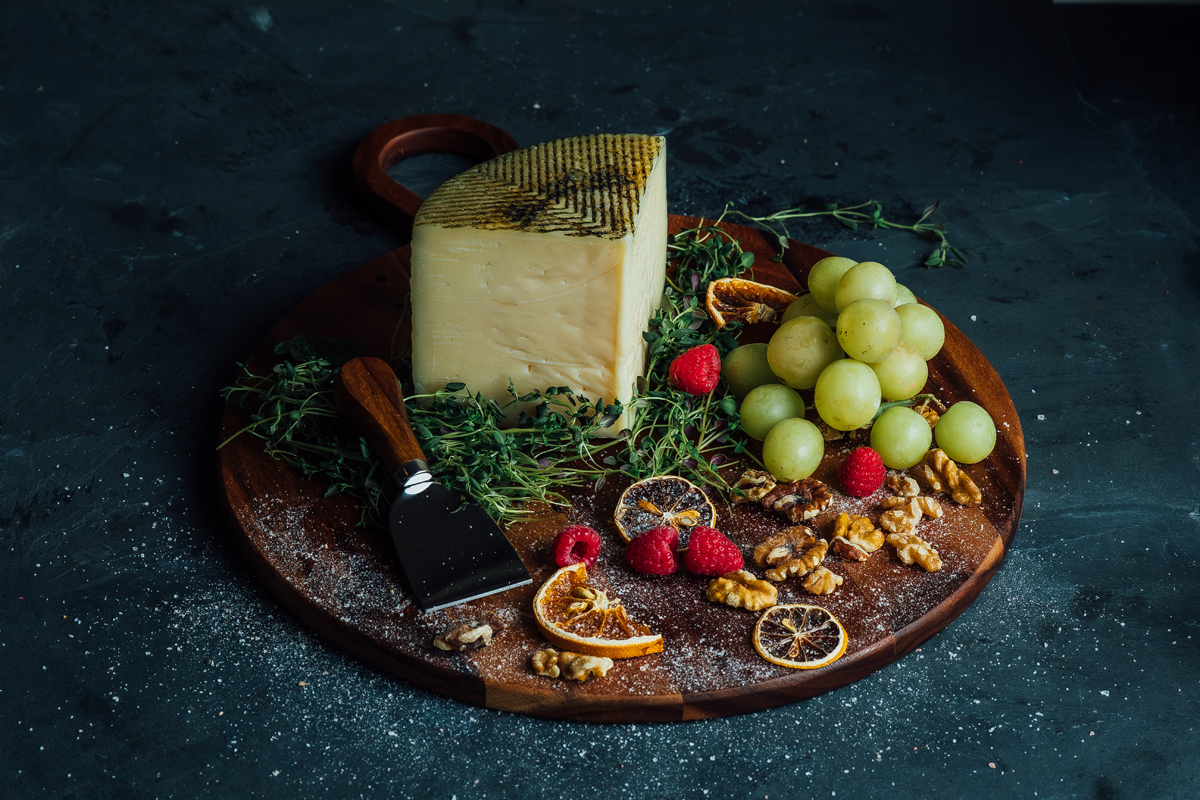


Manchego Cheese: Spain’s Iconic Sheep’s Milk Cheese
Manchego is one of Spain’s defining cheeses — a firm, nutty sheep’s milk cheese shaped by centuries of pastoral tradition in the La Mancha region.
Produced exclusively from the milk of Manchega sheep, authentic Manchego delivers a distinctive balance of buttery richness, toasted nuttiness, and gentle salinity. Its dense yet sliceable texture makes it equally suited for cheese boards, tapas, and cooked applications.
What sets Manchego apart is its strong connection to place. Protected by Spain’s Protected Designation of Origin (PDO) system, every wheel must be produced and aged in La Mancha using traditional methods. For chefs, that designation guarantees consistency, quality, and a clear sense of origin.
The Terroir Behind Manchego
La Mancha’s landscape shapes the character of the cheese.
The region’s dry plains and hardy vegetation support the Manchega sheep, a breed adapted to the climate and responsible for producing milk exceptionally rich in fat and protein. That milk gives Manchego its signature texture and concentrated flavor.
This relationship between land, animal, and cheesemaking tradition is why Manchego holds PDO status. Like Champagne or Parmigiano Reggiano, the cheese must be produced within its defined geographic region to carry the name.
For chefs, this terroir translates directly to the plate:
a balanced profile of toasted nuts, butter, and subtle caramel that becomes more pronounced with age.
PDO Standards That Define Authentic Manchego
Manchego’s quality is protected by strict production standards overseen by the Consejo Regulador, the regulatory body responsible for enforcing PDO rules.
To be labeled Queso Manchego, a cheese must meet four key criteria.
Geographic Origin
Production and aging must occur within the designated La Mancha region of Spain
Milk Source
The cheese must be made from 100% whole milk from Manchega sheep. Milk from other breeds or animals is not permitted.
Aging Requirements
Manchego must age for a minimum period depending on wheel size:
- 30 days for smaller wheels
- 60 days for larger wheels
Many producers extend aging to 12–24 months to develop deeper complexity.
Traditional Production
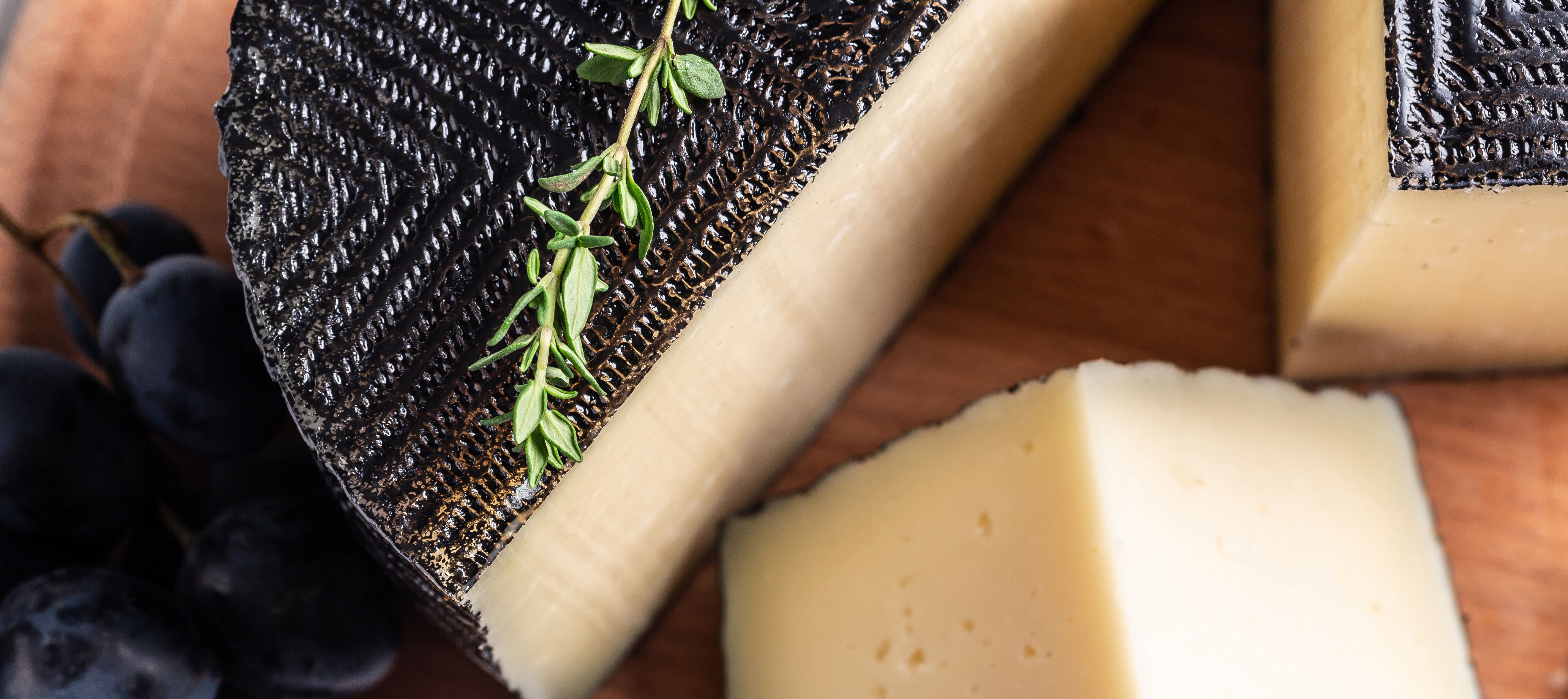
The cheese is pressed in molds that create the characteristic herringbone pattern on the rind, historically derived from woven esparto grass baskets used by early cheesemakers.
Together these standards protect the identity of the cheese while ensuring that each wheel reflects the agricultural traditions of La Mancha.
Understanding Manchego Aging
Like many great cheeses, Manchego evolves dramatically during aging. As moisture slowly evaporates, the texture firms and the flavor concentrates.
Most Manchego falls into three aging categories.
Semi-Curado (Semi-Cured)
Aged about 2–3 months, this style is mild and creamy with a supple texture. Flavors lean toward fresh milk, light nuttiness, and subtle sweetness
For chefs, Semi-Curado works well in melting applications or mild cheese boards.
Curado
Aged 6–9 months, Curado represents the classic Manchego profile. The texture becomes firmer while flavors deepen into toasted nuts, caramel, and savory notes.
This is the most versatile style for tapas, slicing, and pairing with wine.
Viejo
Aged 12 months or longer, Manchego Viejo develops a brittle texture with occasional tyrosine crystals. The flavor becomes bold, sharp, and intensely nutty.
Viejo works especially well grated over dishes or paired with robust cured meats.
How to Identify Authentic Manchego
At the cheese counter, a few visual markers quickly distinguish genuine Manchego from imitations.
Herringbone Rind
Authentic wheels display a distinctive zigzag basket pattern along the rind, created by traditional molds.
Casein Identification Tag
PDO Manchego contains a small casein plaque embedded in the cheese. This numbered tag is added during production and verifies authenticity.
PDO Seal
Packaging must include the official Queso Manchego PDO label, issued by the Consejo Regulador.
Regional Labeling
The label should clearly state production in La Mancha, Spain.
Classic Pairings for Manchego
Manchego’s nutty richness pairs easily with both sweet and savory ingredients. Traditional Spanish pairings highlight the cheese without overpowering it.
Membrillo (Quince Paste)
The dense sweetness of quince paste contrasts beautifully with Manchego’s salty richness. This is the most classic pairing in Spain.
Marcona Almonds
These soft, buttery Spanish almonds add texture while complementing the cheese’s nutty character.
Jamón Serrano or Jamón Ibérico
The savory depth of Spanish cured ham enhances the complexity of aged Manchego.
A drizzle of wildflower honey also works well, particularly with more mature cheeses.
Wine Pairings
Wine pairing depends largely on the cheese’s age.
Younger Semi-Curado styles pair well with bright wines such as Albariño or dry Spanish rosado, whose acidity balances the cheese’s creaminess.
For Curado or Viejo, structured reds like Tempranillo from Rioja offer enough body to match the cheese’s deeper savory notes.
Dry Spanish cider or nutty Amontillado sherry also make traditional pairings.
Culinary Uses for Manchego
Manchego is highly versatile in the kitchen.
Its balanced saltiness and excellent melting properties make it useful across a range of applications:
- shaved over fig or citrus salads
- melted into croquettes or tortillas
- grated over roasted vegetables
- sliced for tapas platters
Aged Manchego can also be used similarly to Parmesan, adding depth to pasta, risotto, and grain dishes.
Sourcing High-Quality Manchego
As global demand has grown, Manchego is widely available — but quality varies significantly.
Specialty cheese shops, artisan markets, and trusted importers remain the best sources for high-quality wheels. These retailers often carry raw-milk or farmstead versions that highlight the character of specific producers.
For chefs and wholesale buyers, working with suppliers who source directly from Spanish dairies ensures better traceability and more consistent quality.
When properly sourced, authentic Manchego delivers the true flavors of La Mancha — a cheese defined by place, tradition, and centuries of craft.


.webp)


