


In a culinary world where provenance and flavor reign supreme, understanding the diverse types of pigs is no longer just for the farmer-it's essential for the chef. Commodity pork offers consistency, but the true potential of this versatile animal is found in heritage breeds, each with its own unique story, terroir, and culinary application. The choice of pig can define a dish, elevate a menu, and connect your guests to a rich agricultural tradition.
This guide is designed for culinary professionals seeking to move beyond the standard offering. It provides a deep dive into 12 essential pork breeds that offer exceptional quality and distinct characteristics. We will explore their origins, dissect their flavor and fat profiles, and provide actionable insights for procurement and menu integration.
1. Ibérico Pork
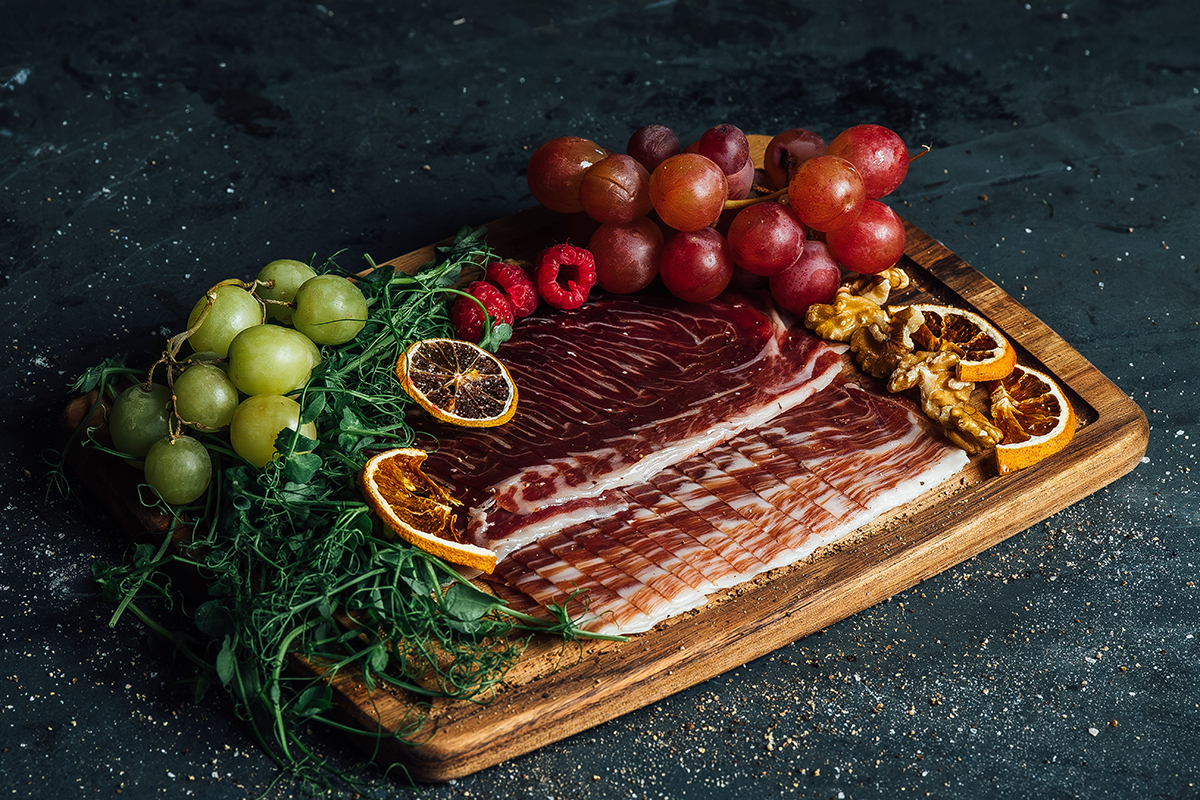
Often called the "Wagyu of pork," Ibérico represents the global standard for premium pork. These distinctive black-hoofed pigs, native to the Iberian Peninsula, possess a genetic trait that allows them to develop exceptional intramuscular fat, or marbling. This results in a succulent, deeply flavorful meat with a remarkably tender texture that melts in the mouth. Among the various types of pigs, the Ibérico is celebrated for its complex, nutty flavor profile, a direct result of its unique diet and heritage.
The most esteemed classification is Ibérico de Bellota, which comes from free-range pigs that feast on acorns (bellotas) in the Spanish oak pastures known as the dehesa. This special diet imparts high levels of heart-healthy oleic acid into the fat, similar to that found in olive oil.
Menu Implementation & Sourcing
For culinary applications, both the fresh and cured forms of Ibérico offer distinct opportunities. Fresh cuts like the secreto (a "secret" cut near the shoulder), pluma (a small cut from the end of the loin), and loin (lomo) are best prepared with minimal intervention. A quick sear on a plancha or grill allows their internal fat to render, creating an unmatched eating experience.
Chef's Insight: Always serve cured products like Jamón Ibérico at room temperature (around 20°C/68°F). This allows the intramuscular fats to soften, releasing the meat's full aromatic complexity. Slice it paper-thin just before serving to prevent it from drying out.
Sourcing requires diligence. Partner with suppliers who provide documentation of the pigs' pedigree, diet, and origin, such as the Designation of Origin (D.O.) certificate. For a deeper understanding of quality tiers and labels, our Jamón Ibérico grading guide offers detailed information for procurement.
2. Duroc Pork
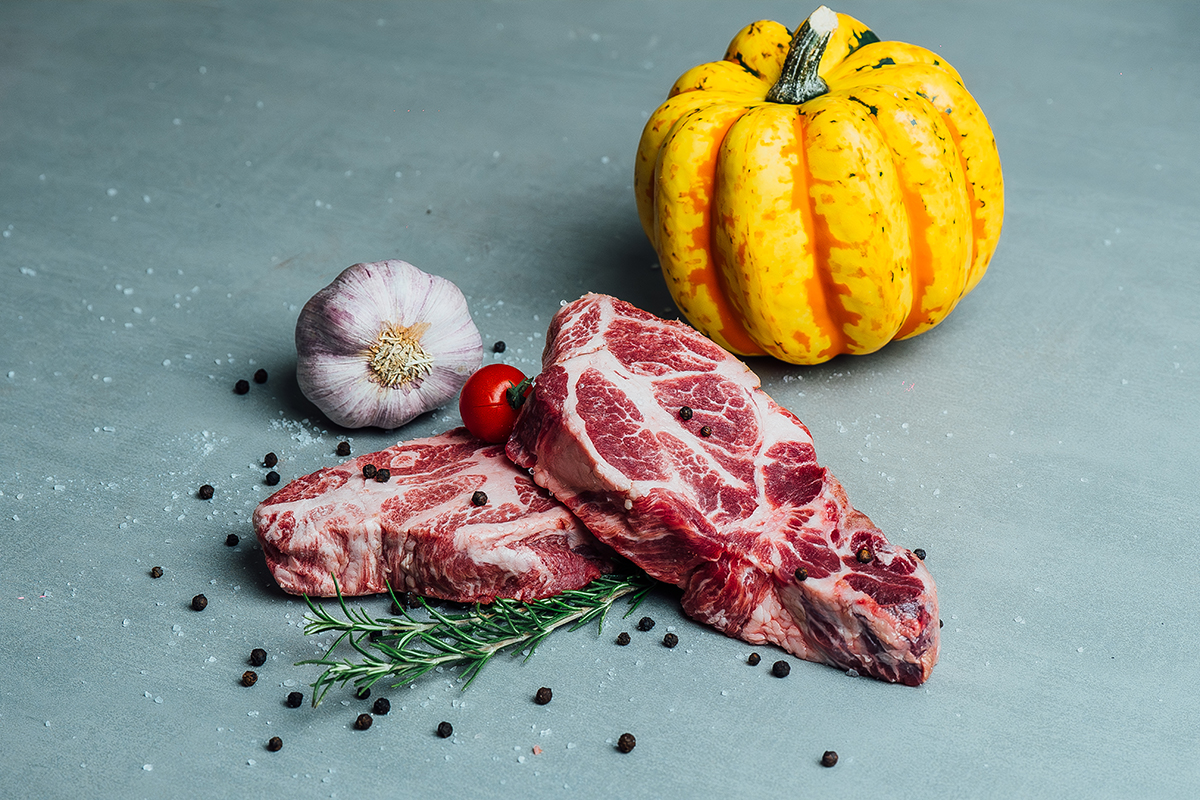
Valued for its superb meat quality and efficiency, Duroc is a globally recognized breed that originated in the United States. These distinctive reddish-brown pigs are celebrated for producing flavorful, juicy pork with excellent fat distribution, distinguishing them from standard commodity pork. Among the various types of pigs, the Duroc is prized for its balanced marbling and consistently tender texture, making it a versatile choice for both high-end fresh cuts and exceptional charcuterie.
Duroc genetics are often crossed with other breeds to improve meat quality in commercial operations. However, purebred Heritage Duroc lines offer the most pronounced flavor and fat characteristics. Its success is seen in premium US pork programs and in Spain, where it is used to produce high-quality Jamón Duroc.
Menu Implementation & Sourcing
Duroc pork excels in both fresh and cured applications. The loin, shoulder, and belly are ideal for roasting or grilling, as their inherent marbling ensures a moist and succulent result. For curing, Duroc’s fat composition lends itself well to charcuterie, developing a satisfying complexity over an 8-12 month aging period. Pair fresh Duroc with fruit-forward components like apple or cherry to complement its mild, rich flavor.
Chef's Insight: For optimal juiciness, cook fresh Duroc pork to a final internal temperature of 63°C (145°F), followed by a three-minute rest. This prevents the meat from drying out and allows the intramuscular fats to render perfectly, creating a superior eating experience.
When sourcing, look for producers who provide details on their pigs' lineage and finishing diet; a grain-based diet of corn or barley enhances fat quality. Prioritize suppliers with multi-generational purebred Duroc lines and those who can provide intramuscular fat marbling scores, aiming for 180+ for premium applications.
3. Mangalitsa Pork
Often called the "woolly pig," the Mangalitsa is a Hungarian heritage breed celebrated for its incredibly rich fat rather than its lean meat. Distinguished by a thick, sheep-like coat, these pigs develop a remarkable amount of creamy, flavorful intramuscular and subcutaneous fat. Among the various types of pigs, the Mangalitsa stands out for producing a lard that is so prized it is sometimes called "culinary gold." Its meat is dark, succulent, and carries a deep, complex flavor that is a direct result of its slow growth and genetic heritage.
The breed's revival from near extinction is a testament to its value in artisanal charcuterie. Slow-growth models allow the fat to develop its signature melt-in-the-mouth texture and rich, nutty profile, making it a cornerstone for high-end cured products. The most sought-after Mangalitsa comes from producers in Hungary and Austria who adhere to traditional, low-intensity farming.
Menu Implementation & Sourcing
Mangalitsa is best approached as a specialty ingredient. Its high fat content makes fresh cuts like the loin or shoulder exceptional for slow-roasting, which renders the fat beautifully. However, its true strength lies in cured applications like lardo, coppa, and pancetta, where its unique fat composition creates a superior product. These cured items can elevate a charcuterie board or act as a powerful flavor accent in composed dishes.
Chef's Insight: Render Mangalitsa backfat slowly at a low temperature (around 50°C/122°F) to produce a pure, white lard. This preserves its delicate flavor and makes it an extraordinary cooking medium or a finishing fat for pastas and roasted vegetables.
Sourcing requires planning, with lead times of 18 months or more being common for specialty orders. Prioritize suppliers who can provide documentation of breed purity and traditional rearing practices, as this is crucial to the quality of the final product. To further explore the qualities that define a top-tier product, see our guide to identifying a premium cut of meat.
4. Large Black Pork
A celebrated British heritage breed, the Large Black is renowned for its docility, hardiness, and impressive foraging abilities that make it ideal for pasture-based systems. Distinguished by its solid black coat and large, drooping ears that obscure its vision, this pig was historically prized for bacon production. Its genetic makeup allows it to develop a generous layer of backfat, which translates to succulent, flavorful meat and some of the finest lard available among all types of pigs.
This breed’s ability to thrive on simple forage and its inclusion in programs like the Slow Food Ark of Taste highlight its value in sustainable, low-input farming. The resulting pork is moist and deeply flavored, with a firm texture that performs exceptionally well in both fresh and cured applications. French producers, under the 'Porc Noir' identity, have also championed the breed for its terroir-driven quality.
Menu Implementation & Sourcing
The Large Black’s profile makes it a prime candidate for nose-to-tail menu planning. Its fat is a key asset; render it into high-quality lard for use in pastries, confit, or as a signature cooking medium. For fresh cuts, the high-fat content benefits from slower cooking methods. Braise shoulders or cook loins at a lower temperature to allow the fat to render gently, basting the meat and ensuring a tender result.
Chef's Insight: When planning a whole-carcass program with Large Black, prioritize your curing strategy. Hams and bellies from this breed are exceptional but require a 10-12 month aging period to fully develop their complex flavors. Build this timeline into your procurement and menu development schedule.
Source from producers who emphasize pasture-raising and can provide details on the pigs' forage-based diet. Partnering with farms registered with organizations like the Rare Breeds Survival Trust ensures you are supporting authentic heritage genetics and sustainable farming practices. This provenance story adds significant value when presented on a menu.
5. Tamworth Pork
Known as one of the oldest pure English pig breeds, the Tamworth is prized for its hardiness and ability to thrive in outdoor, forage-based systems. This ginger-red pig, often called "The Bacon Pig," historically formed the backbone of the British bacon industry. Among the various types of pigs, the Tamworth is distinguished by its leaner profile and the deep, complex flavor it develops from a varied diet and slower growth, making it a favorite for traditional charcuterie.
The breed’s natural foraging instincts and resilience make it ideal for pasture-based farming. This active lifestyle, combined with a diet rich in roots, grasses, and mast, contributes to a firm-textured meat with a distinct, almost nutty flavor profile and excellent marbling when properly finished.
Menu Implementation & Sourcing
The Tamworth’s legacy as a bacon pig offers a clear path for menu features. Its long body and lean, flavorful meat are perfect for producing premium, traditional-style bacon and hams. Fresh cuts like the belly, loin, and shoulder also perform exceptionally well, particularly with slow-cooking methods or a simple roast that highlights the meat's inherent flavor.
Chef's Insight: When cooking fresh Tamworth pork, aim for a slightly lower internal temperature (around 60-62°C / 140-145°F) to retain its moisture and delicate texture. Pair it with acidic or slightly bitter ingredients like apple, cabbage, or mustard greens to cut through the richness and complement its lean character.
When sourcing, look for producers who emphasize slow growth and pasture-raising, as the pig's diet is crucial to developing its signature flavor.
6. Chester White Pork
As a celebrated American heritage breed, the Chester White offers a reliable and high-quality alternative to commodity pork. Originating in Chester County, Pennsylvania, in the early 19th century, these large, white pigs are known for their excellent mothering abilities, durability, and a well-balanced meat quality. The breed produces pork with good marbling and a clean, mild flavor, making it incredibly versatile for both culinary and charcuterie applications. Among the different types of pigs, the Chester White stands out for its efficient growth and consistent, high-quality carcass.
Its meat provides a noticeable step up in succulence and taste from industrial pork while remaining more accessible than highly specialized breeds. This balance makes it a favorite among chefs in farm-to-table restaurants and craft producers seeking a distinctly American heritage product.
Menu Implementation & Sourcing
Chester White's versatility shines across the menu. Fresh cuts like the loin, belly, and shoulder are fantastic for grilling and roasting, as their moderate fat content renders beautifully to create a moist and tender result. Its clean flavor profile also serves as an excellent canvas for brines, rubs, and sauces. For cured applications, the genetics of the Chester White are ideal for producing high-quality American charcuterie, from classic salami and coppa to whole-muscle country hams.
Chef's Insight: For fresh cuts, cook Chester White pork to an internal temperature of 63°C (145°F) followed by a three-minute rest. This ensures maximum juiciness and flavor, dispelling outdated notions of cooking pork until it's well-done and dry.
When sourcing, partner with producers who can provide documentation of the pig's Chester White pedigree. Prioritize animals finished on grains like corn and barley, which contributes to firmer, higher-quality fat. Given its popularity in artisanal systems, establishing 90-120 day sourcing cycles can help ensure a consistent supply for your menu. Highlighting its American heritage story adds significant value and resonates with diners.
7. Berkshire Pork
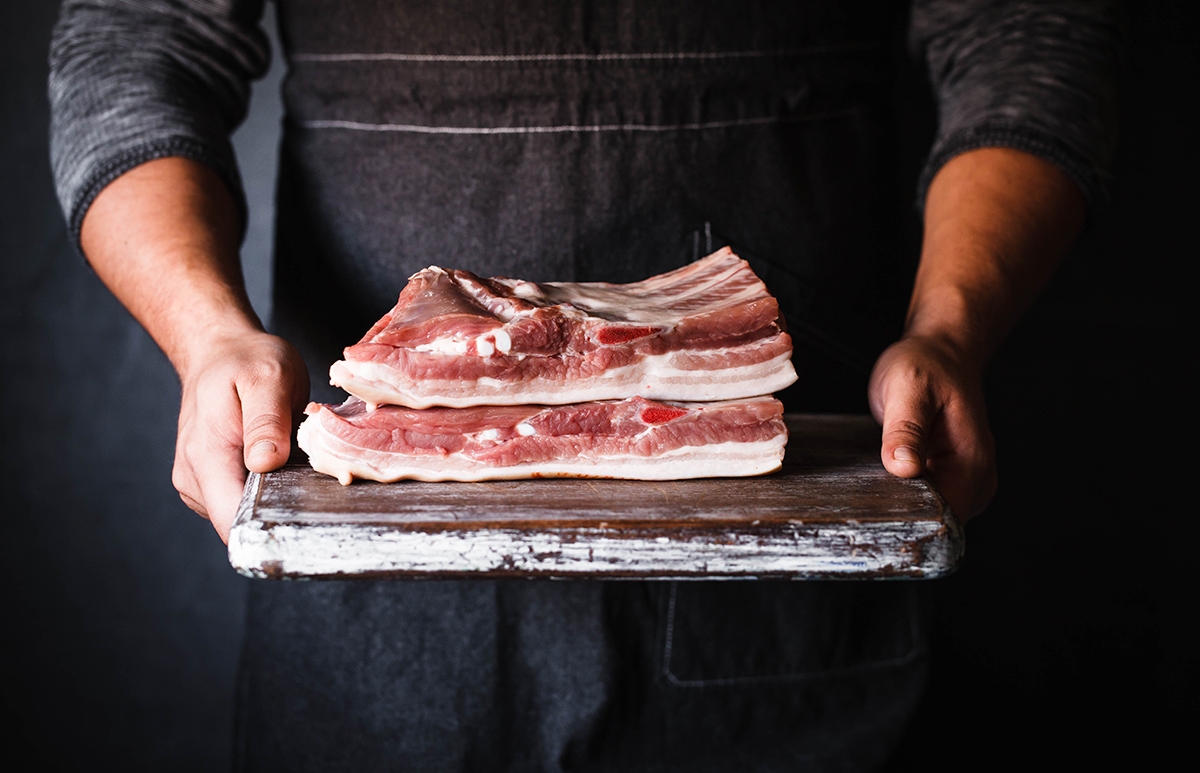
Known in Japan as Kurobuta or "black pig," Berkshire pork is one of the most revered types of pigs, celebrated for its rich flavor, remarkable tenderness, and beautiful marbling. Originating in Berkshire, England, this heritage breed produces meat that is noticeably darker in color and has a higher pH, which contributes to its superior water-holding capacity, ensuring a juicy and flavorful result when cooked. The fat of a Berkshire is distinctively creamy and white, melting beautifully to baste the meat from within.
The pinnacle of this breed is often considered Kurobuta pork, which adheres to stringent Japanese standards for quality. These pigs are typically raised on a specialized grain-based diet that optimizes fat quality and color, yielding a product with a complex, sweet flavor and a firm yet succulent texture that has made it a staple in high-end Japanese cuisine.
Menu Implementation & Sourcing
Berkshire’s inherent quality means fresh cuts require minimal intervention. The loin, belly, and shoulder shine when pan-seared or grilled, allowing the intramuscular fat to render and develop a crisp exterior while keeping the interior moist. Because the carcasses are often smaller, they are ideal for premium portioning strategies where quality, not just size, justifies the menu price. The meat’s deep color and visible marbling should be highlighted in menu descriptions to communicate its premium nature.
Chef's Insight: To preserve the exceptional tenderness of Berkshire pork, cook fresh cuts to a lower final internal temperature, around 60-62°C (140-145°F). A brief rest before slicing will allow the juices to redistribute, guaranteeing a melt-in-your-mouth experience for guests.
For sourcing, seek out suppliers who can certify their product as 100% purebred Berkshire or provide authentic Kurobuta certification from Japan or a licensed international producer. Partnering with farms that focus on heritage breed integrity and specific finishing diets will ensure you receive the consistent, high-quality product that defines this exceptional breed.
8. Gloucestershire Old Spots Pork
Affectionately known as the "orchard pig," the Gloucestershire Old Spots is a celebrated English heritage breed. Distinguished by its white coat and prominent black spots, this pig gained its nickname from a history of foraging on fallen fruit in the cider and perry orchards of its native county. This unique diet and its ability to thrive outdoors contribute to a succulent, flavorful pork with a generous fat cover and good marbling. Recognized by the Slow Food Ark of Taste, it is one of the types of pigs gaining favor for its eating quality and role in sustainable agriculture.
The breed's meat is known for its distinct character, often described as richer and more profound than commercial pork. The fat is particularly creamy and renders beautifully, making it an excellent choice for a variety of preparations. Its revival, supported by organizations like the Rare Breeds Survival Trust, is driven by chefs and consumers seeking superior flavor and a connection to food heritage.
Menu Implementation & Sourcing
Gloucestershire Old Spots is exceptionally versatile. Fresh cuts, such as the shoulder and loin, are superb for classic British preparations like slow roasting, which allows the fat cap to baste the meat, yielding a moist result and perfect crackling. The belly and legs are ideal for curing, producing outstanding bacon and hams after an 8 to 10-month aging process.
Chef's Insight: To fully honor this breed's heritage, develop a nose-to-tail program. Use the prime cuts for roasts, grind trimmings for high-quality sausages or meat pies, and render the fat into lard for pastry. This approach maximizes yield and showcases the breed's full potential.
Sourcing requires partnering with dedicated heritage breeders, many of whom are listed with the Gloucestershire Old Spots Pig Breeders' Club. Look for producers who can verify pedigree and confirm an outdoor, forage-based rearing system. Due to the breed's slower growth, plan sourcing timelines of up to 12-15 months to ensure a consistent supply. Emphasizing the breed's story and its orchard-to-table narrative will resonate deeply with discerning diners.
9. Mulefoot Pork
The Mulefoot is a critically endangered American heritage breed prized for its rich, well-marbled pork and its compelling conservation story. Instantly recognizable by its most unusual trait, a solid, non-cloven hoof that resembles a mule’s, this breed is among the rarest types of pigs available for culinary use. These hardy, black-coated pigs are excellent foragers, a quality that contributes to the meat's deep, savory flavor and firm, succulent texture.
Due to its near-extinction, the Mulefoot has been championed by organizations like the Slow Food Ark of Taste and dedicated conservation-focused producers. Its revival is a testament to the growing demand for pork with a genuine heritage narrative. The meat commands a premium price, not just for its quality but for the story of preservation it represents.
Menu Implementation & Sourcing
Mulefoot pork is exceptionally versatile. The high fat content makes cuts like shoulder, belly, and loin ideal for slow-roasting or braising, which renders the fat beautifully and produces incredibly moist results. Chops and tenderloin are best prepared with a simple sear to highlight the meat's intrinsic flavor without overpowering it. A whole-animal or nose-to-tail approach is not only sustainable but also maximizes the value of such a rare product.
Chef's Insight: Sourcing Mulefoot pork requires careful planning and a commitment to ethical procurement. Work directly with registered breeders who can provide pedigree documentation. Featuring the conservation narrative on your menu is essential; it educates diners and justifies the premium price point, making them part of the breed's preservation story.
Given the breed's rarity, securing a consistent supply involves building strong relationships with producers and planning menus well in advance. For more information on breed standards and finding registered breeders, the Mulefoot Hog Association is a primary resource for ensuring you are supporting legitimate conservation efforts.
10. Kunekune Pork
Originating in New Zealand, the Kunekune is a distinctive small pig breed prized by small-scale producers for its efficient conversion of pasture into exceptionally flavorful pork. These pigs are characterized by their stocky build, gentle temperament, and hairy coats. Kunekune pork is notable for its excellent intramuscular fat and deep red color, producing a succulent, rich-flavored meat that performs well in a variety of culinary applications. Among the many types of pigs, the Kunekune stands out for its suitability for pasture-based systems and artisanal production.
The meat's quality is directly linked to the breed's ability to thrive on forage. Unlike larger commercial breeds, Kunekunes are efficient grazers, and their diet of grass and diverse plants contributes to a more complex, nuanced flavor profile. Their smaller size makes them ideal for direct-to-consumer programs and farmers' market offerings where a unique story and superior taste command a premium.
Menu Implementation & Sourcing
Given their smaller carcass size, a whole-animal approach is highly effective for Kunekune pork. Fresh cuts like shoulder, belly, and loin roast beautifully and have a rich, porky flavor that needs little adornment. The meat is also excellent for producing specialty cured products like coppa, pancetta, and flavorful sausages. Because of its size, it is well-suited for small-plate menus and charcuterie programs.
Chef's Insight: When cooking Kunekune, be mindful of its fat. While the marbling is excellent, the backfat can become excessive if not properly managed during finishing. Trimming and rendering this high-quality lard for other kitchen uses, like confit or pastry, is a great way to maximize the value of the whole animal.
Sourcing often involves connecting directly with small, local farms that raise Kunekunes on pasture. Look for producers who finish their pigs on diverse forage to enhance flavor complexity. Partnering with these farms allows you to market the pork as pasture-raised and family-farmed, justifying a premium price point and offering customers a product with a transparent and appealing origin story.
11. Yorkshire (Large White) Pork
Known globally as the Large White, the Yorkshire is one of the most prolific and economically important types of pigs in modern agriculture. Originating in Yorkshire, England, this breed is the backbone of commercial pork production due to its rapid growth, large litter sizes, and lean carcass. The meat is mild, tender, and exceptionally consistent, making it a reliable choice for high-volume operations and retail markets.
The Yorkshire's main contribution is its use in crossbreeding programs, where its genetics improve the maternal traits and growth efficiency of other breeds. Its lean profile and predictable yield have made it the standard for producing the uniform pork cuts found in most supermarkets.
Menu Implementation & Sourcing
Yorkshire pork’s mild flavor profile serves as a versatile canvas for a wide range of culinary applications. It excels in preparations where added flavors are prominent, such as brining, smoking, and heavy seasoning. Use it for high-volume needs like ground pork for sausage, pulled pork, or breaded cutlets, where its consistency ensures a predictable product every time.
Chef's Insight: To elevate the eating quality of this lean breed, focus on cooking methods that retain moisture. Brining loins and chops before grilling or pan-searing is essential. For larger roasts, low-and-slow cooking techniques with a fat cap scored and left intact will help baste the meat, preventing it from drying out.
Sourcing Yorkshire pork is straightforward, as it dominates the commercial supply chain. For chefs seeking a balance of volume and improved quality, look for producers who use Yorkshire genetics but raise their animals with enhanced welfare standards, better feed protocols, and without growth promotants. These small adjustments in husbandry can significantly improve the texture and flavor of the final product.
12. Landrace Pork
Valued for efficiency and maternal excellence, Landrace pigs are a cornerstone of modern commercial pork production. This family of breeds, with prominent lines like the Danish and American Landrace, is easily identified by its characteristic long body, fine hair, and large, drooping ears that often cover its eyes. The Landrace’s primary contribution to the global supply of different types of pigs is its role in crossbreeding programs, where its genetics are used to improve sow productivity, litter size, and overall carcass length.
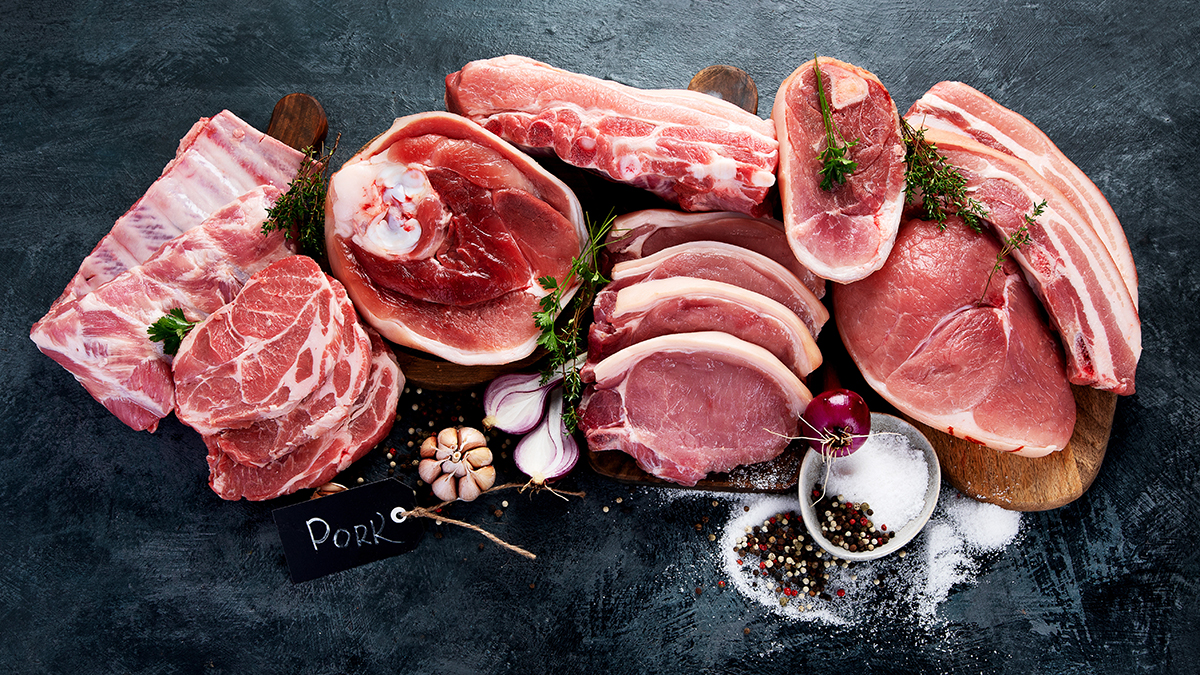
While not typically marketed as a premium, single-origin breed for high-end restaurants, Landrace genetics are foundational to much of the pork available today. The meat is lean with a fine grain and a mild, clean flavor. Its long loin is particularly prized, yielding a high number of uniform chops and roasts, making it a reliable choice for high-volume food service operations that prioritize consistency and cost-effectiveness.
Menu Implementation & Sourcing
Landrace pork is best suited for preparations that benefit from its lean profile or require a neutral canvas for added flavors. The long, consistent loins are ideal for large-scale roasting, fabrication into uniform cutlets for schnitzel or tonkatsu, or grinding for sausage and charcuterie. Due to its lower fat content, techniques like brining or marinating are highly recommended to ensure moisture and tenderness, preventing the meat from drying out during cooking.
Chef's Insight: Because Landrace is a maternal line, its piglets are often used for specialty applications. For an exceptional presentation, consider sourcing suckling pigs from Landrace-cross sows. You can discover more about sourcing and preparing this delicacy in our guide to suckling pig and cochinillo.
When sourcing, focus on suppliers who can provide traceability back to the breeding lines. For improved meat quality, look for pork from programs that cross Landrace sows with terminal sires known for better marbling, such as Duroc or Berkshire. This combination often yields a more flavorful and succulent end product while retaining the production efficiencies of the Landrace breed.
Putting Provenance on the Plate: Your Next Steps
We've journeyed through a remarkable gallery of swine, from the acorn-fed Ibérico of the Spanish dehesa to the hardy, pasture-loving Tamworth. This exploration reveals a fundamental truth for any serious chef: pork is not a monolith. The specific breed, or the type of pig you choose, is one of the most significant decisions you can make, directly influencing flavor, texture, and the story you tell on the plate.
Moving beyond commodity pork is more than a simple ingredient swap; it is a strategic shift in culinary philosophy. Each breed discussed, whether the famously marbled Mangalitsa or the lean and muscular Duroc, offers a distinct canvas. You now have the knowledge to see beyond basic cuts and recognize the unique potential locked within the genetics and husbandry of each animal. This is where true differentiation begins.
From Knowledge to Action: Implementing Breed-Specific Pork
Translating this information into a tangible menu impact requires a clear, focused approach. It’s not about overhauling your entire supply chain overnight. Instead, it’s about making smart, incremental changes that deliver immediate value to your guests and your bottom line.
Consider these practical starting points:
- Audit Your Anchor Items: Look at your best-selling pork dishes. Could your staple bacon be elevated from standard commodity pork to the rich, smoky profile of Large Black or Tamworth? This single change can redefine a classic brunch item or add a new dimension to a signature burger.
- Introduce a "Butcher's Cut" Special: Work with your purveyor to bring in a specific, high-impact cut from a heritage breed. A Mangalitsa collar, a Berkshire pork chop, or an Ibérico presa marketed with its story of origin creates excitement and a premium experience. This allows you to test the waters and educate both your front-of-house team and your customers.
- Rethink Your Charcuterie Program: If you produce charcuterie in-house, the fat-to-meat ratio and fat quality are critical. Breeds like the Gloucestershire Old Spots or the fat-rich Mangalitsa provide superior material for creating exceptional salami, coppa, and lardo, offering a depth of flavor that leaner commercial breeds simply cannot match.
The Broader Impact of Your Choice
The decision to source specific types of pigs extends far beyond the four walls of your kitchen. It is a direct investment in a more diverse and sustainable agricultural system. By creating demand for breeds like the Mulefoot or Kunekune, you help preserve genetic lines that are at risk of disappearing.
Key Insight: Your procurement choices are a powerful vote for agricultural biodiversity. When you feature a heritage breed on your menu, you are not just selling a meal; you are supporting the farmers who act as stewards of these unique genetic resources and promote higher standards of animal welfare.
This commitment to provenance resonates deeply with today's diners, who are more interested than ever in where their food comes from. The story of the breed, the farm, and the farmer becomes an integral part of the dining experience. Training your staff to share these details transforms a simple dish into a memorable event, justifying a premium price point and building a loyal customer base that values quality and authenticity. Mastering these different types of pigs gives you a distinct advantage, turning a common protein into a signature statement.
Ready to put these insights into practice and source the world's most exceptional pork breeds? WorldClass provides chefs with direct access to a curated selection of high-welfare, traceable types of pigs, connecting you with the producers behind these remarkable animals. Explore our portfolio and start building a menu that truly stands apart at WorldClass.


.webp)


